
Gate Valve Flange Type: Key Features and Applications
By:Admin
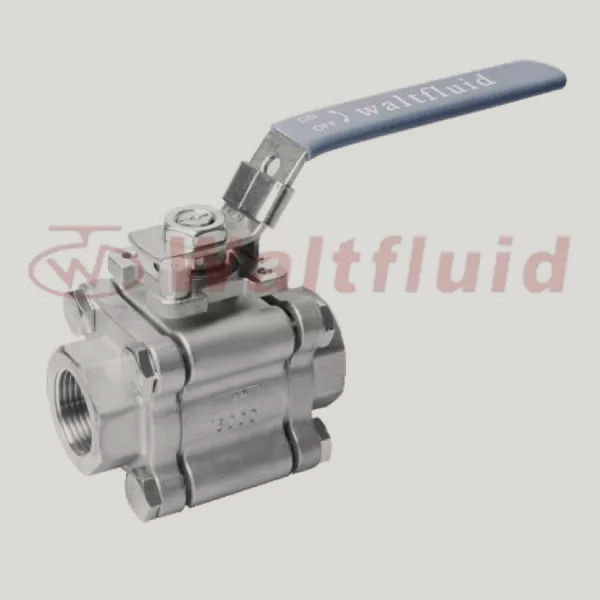
In the evolving landscape of industrial valve technology, the Gate Valve Flange Type continues to play a vital role in ensuring the seamless flow and control of liquids and gases across various sectors. This type of valve, renowned for its robust design and operational reliability, is increasingly being recognized for its adaptability and efficiency in demanding industrial environments. Recent advancements and industry insights underscore how these valves contribute to improving overall system performance while adhering to stringent safety and quality standards.
### Understanding Gate Valve Flange Type
Gate valves are a fundamental component used to isolate or regulate fluid flow within pipelines. The flange type variation distinguishes itself by the method of connection to the piping system: flanges bolted together provide a secure, leak-proof joint capable of withstanding high pressure and temperature ranges. This connection type facilitates easier installation and maintenance compared to threaded or welded connections, especially in larger diameter pipelines.
The primary function of a gate valve is to start or stop the fluid flow by raising or lowering a gate inside the valve body. The simplicity of the internal mechanism minimizes pressure drops when the valve is fully open, making it highly efficient for on/off control rather than throttling applications. The flange configuration further supports this by ensuring that the valve can be easily removed or serviced without disrupting the entire pipeline.
### Key Features and Benefits
- **Durability**: Constructed from high-grade materials like stainless steel, carbon steel, or specialized alloys, flange-type gate valves are engineered to resist corrosion, erosion, and wear, extending their service life in harsh industrial conditions such as oil and gas, power generation, water treatment, and chemical processing.
- **Pressure Handling**: Designed to operate under a wide range of pressures — from low-pressure domestic applications to high-pressure industrial systems — flange gate valves maintain integrity and performance without leakage.
- **Ease of Maintenance**: The flange connections allow for straightforward disassembly, inspection, and replacement of internal parts, ensuring minimized downtime and maintenance costs.
- **Tight Sealing**: The gate design ensures a tight seal when closed, preventing fluid leakage, which is crucial in hazardous or sensitive fluid handling scenarios.
### Contemporary Industry Challenges and Solutions
The industrial sector today faces the dual challenge of maintaining operational efficiency while complying with increasingly rigorous environmental and safety regulations. Gate Valve Flange Type solutions address these challenges through enhanced design features:
- **Enhanced Sealing Technologies**: Modern flange gate valves incorporate advanced gasket materials and sealing mechanisms to prevent fugitive emissions, supporting environmental compliance and workplace safety.
- **Automation Compatibility**: Integration with actuators and control systems allows these valves to be operated remotely or automatically, facilitating real-time monitoring and process control which is essential in automated industrial processes.
- **Customization and Versatility**: Manufacturers now offer a wide range of sizes, pressure ratings, and material options tailored to specific application requirements, providing a solution for nearly every industry need.
### Company Introduction
At the forefront of these innovations is a company dedicated to delivering high-quality industrial valves tailored to meet stringent global standards. With decades of experience, the company specializes in the engineering, manufacturing, and servicing of a comprehensive range of valve solutions, including but not limited to gate valves, ball valves, butterfly valves, and check valves.
Committed to quality and customer satisfaction, the company employs state-of-the-art manufacturing technologies and rigorous quality control processes. This ensures that each valve not only meets but exceeds industry certifications such as API, ISO, and ANSI. Their global distribution network and technical support teams provide clients with seamless access to genuine products and expert guidance, fostering long-term partnerships.
### Market Outlook and Future Trends
As industries progressively move towards automation and smart infrastructure, demand for reliable and technologically advanced gate valve flange types is projected to grow. Emerging sectors such as renewable energy and advanced water management systems also present new opportunities for application and development.
Furthermore, sustainability considerations are driving innovation in material science and design methodologies aimed at reducing environmental impact and extending product lifecycle. Integration with digital technologies such as the Internet of Things (IoT) for predictive maintenance and operational efficiency is likely to redefine future valve solutions.
### Conclusion
Gate Valve Flange Type valves represent a critical element in modern industrial fluid control systems. Their inherent strength, reliability, and adaptability make them indispensable in a wide variety of applications. Supported by manufacturers committed to innovation and quality, these valves are poised to meet the challenges of tomorrow’s industries, delivering improved safety, performance, and economic benefits.
Industries looking to enhance their operational integrity would benefit from considering the latest advancements in flange gate valve technology – ensuring that their fluid control solutions are both robust and forward-looking. With continuous improvements and expert support from leading manufacturers, the future of gate valve flange types shines bright as a cornerstone of industrial efficiency and safety.